|
|
 |
Rubeola
|
 |
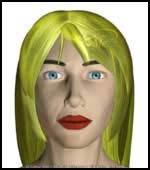
Normal |
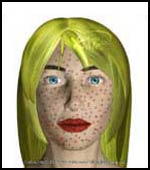
Abnormal |
|
|
- Measles is a highly contagious
infection that often occurs in children, but can also cause
illness in adults. The disease is spread through
contact with virus-infected secretions from someone with the
virus. These secretions are carried via sneezing,
coughing, or soiled clothing.
- Measles is preventable by immunization during childhood. The vaccine used for immunization is MMR, a combination of inoculations against measles, Mumps, and rubella viruses.
|
 |
- Fever of 102 degrees Fahrenheit or
greater
- Feeling tired
- Poor appetite
- Sneezing and runny nose
- Sore and dry throat
- Coughing with or without hoarse
voice
- Light-sensitive, Red Eyes
- Tiny white lesions in the mouth and
throat called Koplik's spots
- Blotchy, red rash that starts on the
face, migrates to the chest and abdomen, and finally to the
arms and legs
- The rash follows the general
symptoms by 2-4 days, and sometimes as late as 7 days.
- Nausea and enlarged lymph nodes can
also occur
- Other complications in severe
untreated cases:
- Pneumonia or
infection of the lungs
- Heart problems
- Infection of the brain
- Premature
labor
|
 |
- Based on history of exposure to
others with similar symptoms
- Physical exam by a physician for
signs (i.e., rash, Koplik's spots, dry eyes)
- Laboratory analysis may be necessary
in difficult cases
- Blood and serum for IgM antibodies
- Serum for white blood cells, liver,
and kidney function
- X-Rays of the chest and Electrocardiogram in cases with suspected lung or heart involvement
|
 |
-
Exposure to
an individual with measles is not recommended in the
following:
- Child or an adult without MMR
immunization
- Child or an adult who has never
had measles or measles vaccination
- Individuals with weakened body
defenses such as:
- Those with AIDS, cancer, Malnutrition,
addiction to drugs, receiving potent medications, or
exposed to radiation
- Pregnant women should avoid contact with individuals with active measles, especially in the first three months.
|
 |
- Vaccination with MMR in three
injections (first at age 12-15 months, second at age 4-6
years, third at age 11-12 years) is the best method of
prevention.
- If symptoms develop:
- Rest at home and do not go outside
(i.e., to work or school)
- Children can go back to school
when feeling better, 5-6 days after the rash has started.
- Water, juices, sodas, and teas are
helpful.
- Tylenol for fever
- Avoid aspirin in patients under 19
years old, as it may cause Reye's syndrome.
- Keep lights dim and wear sun
glasses if you go outdoors
- Cool vaporized mist is good for
cough and dry eyes
- Cough syrup and throat lozenges
can help
- If symptoms include confusion, fever greater than 105 degrees Fahrenheit, or Seizures and vomiting, call 911 and notify your physician.
|
 |
-
Uncomplicated measles is often not fatal. However, if you have not been vaccinated and are exposed to the virus, contact your physician immediately. If pregnant, avoid contact with anyone infected. Vaccination series and having measles protects you for life.
|
 |
- Scarlet fever
- Drug rash
- Rubella or German measles
- Other viral infections.
|
| | |
If you want your friend to read or know about this article, Click here
 |
|
|