
Also known as
Epidemic parotitis
Description
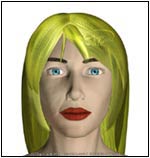 Normal |
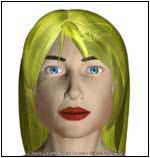 Abnormal |
- Mumps refers to an infection and inflammation of the parotid glands — the saliva-producing glands in the mouth responsible for secreting some of the chemicals that help break down food.
- Mumps is a self-limiting infection most commonly seen in school-aged children (5-9 years old) that lasts 7-10 days. It is highly contagious, and spreads via droplets containing the virus in the saliva of an infected person.
- It can occur all year around, but is more common in the winter and spring.
Symptoms
- Low-grade fever, feeling tired, poor appetite, and headache
- Ear pain
- Swelling and tenderness in front of and below the ear (where the parotid gland is located). Swelling occurs on one side of the face before the other.
- Eating or moving the jaw is painful
- There may be complications:
- In boys and men past puberty, there may be pain, nausea, fever, and swelling of the testicles (orchitis).
- Pregnant women may abort (lose baby) if they develop mumps during the first 3 months of term.
- Hearing loss
- Meningitis — irritation of the membrane or sac that protects the brain and the spine
- Painful joints
-
- Organs such as the ovaries, heart, kidneys, pancreas, and thyroid may be affected.
Cause
- A virus from the Paramyxovirus family
- The virus can be found in the saliva of mumps patients 5 -7 days before, and up to 9 days after the symptoms occur.
How the diagnosis is made
- Based on history of exposure to mumps, physical signs, and symptoms.
- In cases with atypical symptoms, blood is tested for IgM antibodies to the mumps virus.
- Blood may also show high levels of a chemical called Amylase (in 30%).
- A virus can be found in the saliva and grown in the laboratory.
Risk Factors
- Those who did not have mumps or have not been vaccinated against it
- It will produce specific Proteins (antibodies) that will protect you for life from contracting the mumps again.
Treatment
- Eat soft foods that do not require heavy chewing
- Tylenol for pain and fever (avoid aspirin in viral infections in children)
- Apply ice, heated pad, or towel to swollen parotids (no longer than 15 minutes at a time).
- If testicular swelling occurs, it helps to wear support
- Drink plenty of fluids and rest as much as possible
- Vaccinate all infants when they are 15 months old with the MMR (Measles-mumps-rubella) vaccine.
- If you are not sure that you have had the mumps or received the life vaccine (first introduced on 1-1-68), the doctor can check your blood (for IgM) and vaccinate you if necessary.
- Avoid vaccines if you are allergic to Neomycin (an antibiotic) or eggs.
- Avoid vaccines if you are pregnant or planning to get pregnant within 3 months.
- Avoid vaccines if you have other illnesses (AIDS, Tuberculosis, Lymphoma) or are receiving special treatment (chemotherapy, radiation therapy, steroids, immunoglobulins), unless your doctor allows it.
If You Suspect this Condition
- Rest and consult with your doctor. Keeping a good vaccination history can also come in quite handy.
Similar Conditions
Causes of parotid gland enlargement include infection (viral and bacterial) Sjogren’s Syndrome, Sarcoidosis, tumors, and salivary duct obstruction.